Power Cut Checklist (UK)
A practical checklist to prepare before a power cut — and what to do in the first 10 minutes.
Power cuts happen. Usually at the worst possible time.
This checklist helps you prepare before one happens — and know what to do when the lights go out.
Build your power cut kit in three buys
Prices checked 9 Oct 02:00 UTC on Amazon UK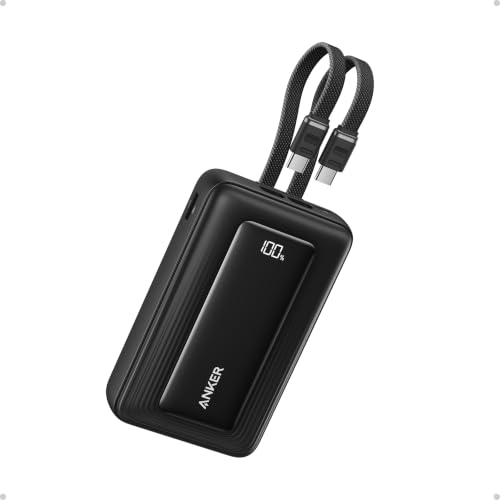 Anker 20K 45W power bank20,000mAh with two built-in USB-C cables£44.99 on Amazon Keep the Wi‑Fi on
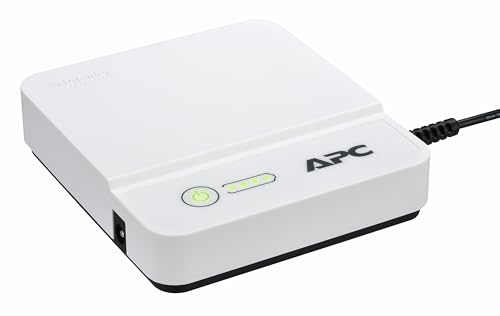 APC Back-UPS Connect 36WPlug-in router UPS. APC quotes up to 4 hours (12V routers)£56.32 on Amazon Run the essentials
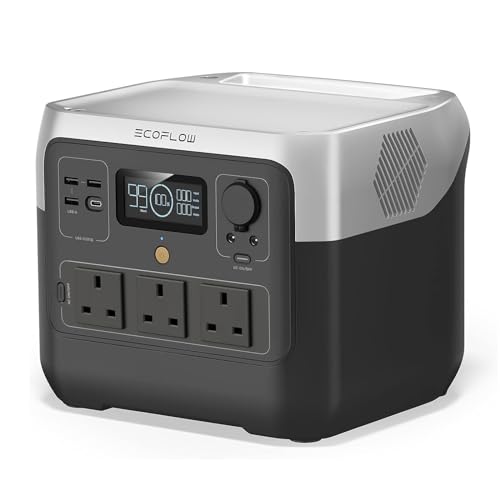 EcoFlow RIVER 2 Pro768Wh: router + ONT for about 34 hours (our estimate)£499 on Amazon
 Before a power cut (prep checklist)
Lighting
- [ ] LED torch (with spare batteries)
- [ ] Battery or USB lantern for room lighting
- [ ] Candles + matches (use carefully, keep away from kids/pets)
Communication
- [ ] Fully charged phone
- [ ] Portable power bank (charged) — see our airline-safe power bank picks
- [ ] Battery or crank radio (for long outages / emergencies)
Power backup (optional but useful)
- [ ] Portable power station (for router, phones, lights)
- [ ] Know where your fuse box is
Warmth (winter)
- [ ] Extra blankets
- [ ] Hot water bottles
- [ ] Warm layers you can grab quickly
Food and water
- [ ] Bottled water (if you have an electric pump)
- [ ] Non-perishable snacks
- [ ] Cool bag + ice packs (to save fridge contents if needed)
Important info
- [ ] Torch near the fuse box
- [ ] Your electricity supplier's number saved in your phone
- [ ] Know your MPAN (meter point number) — on your bill
First 10 minutes of a power cut
- Check if it is just you
- Are neighbours' lights on?
-
Check your fuse box — has a trip switch flipped?
-
If it is just your house
- Reset the trip switch
- If it trips again, unplug appliances and try one by one
-
Call an electrician if you cannot find the cause
-
If the whole area is out
- It is a grid outage — nothing to fix on your end
- Report it: call 105 (free, 24/7, all UK networks)
-
Or check your network operator's website for updates
-
Preserve your phone battery
- Lower screen brightness
- Turn off Wi-Fi/Bluetooth if not needed
-
Avoid doom-scrolling (hard, but wise)
-
Protect food
- Keep fridge and freezer doors closed
- A full freezer stays frozen ~24–48 hours unopened
- A fridge stays cool ~4 hours
If the outage lasts longer
Communication
- Use your power bank or power station to keep your phone alive
- If you have a portable power station, you can keep your router running too (see: Keep Wi-Fi running in a power cut)
Warmth
- Layer up — multiple thin layers beat one thick one
- Stay in one room with the door closed
- Use hot water bottles if you have gas or a camping stove to boil water (safely!)
Cooking
- If you have a gas hob, you can still cook (light it manually if electric ignition fails)
- Do NOT use outdoor BBQs or generators indoors — carbon monoxide risk
Vulnerable people
- Check on elderly or unwell neighbours
- If someone depends on electric medical equipment, call 105 and your energy supplier — they may have priority support
After power returns
- Check appliances
- Reset clocks, timers, alarms
-
Check fridge/freezer temps — discard food if in doubt
-
Recharge everything
- Phone, power banks, torches
-
Top up the power station if you have one
-
Restock
-
Replace any batteries or supplies you used
-
Note what you wished you had
- Update your kit for next time
Printable summary
Before: - Torch + batteries - Power bank (charged) - Bottled water + snacks - Blankets / warm layers - Know your fuse box location - Save 105 in your phone
During: - Check fuse box vs area outage - Call 105 to report / get updates - Keep fridge/freezer closed - Conserve phone battery - Stay warm, stay in one room
After: - Check food safety - Recharge everything - Restock supplies
Building your power cut kit: what to prioritise
The single most impactful thing you can do is ensure you can power your critical devices - router, phone, fridge - for the duration of a typical UK power cut (usually 2-4 hours, occasionally longer in rural areas or during storms).
Tier 1: must-haves
- Portable power station — covers router, phone charging and lights. A 500–800Wh unit handles most outages comfortably. The Jackery Explorer 500 v2£329–£339 since 6 Sep is the most popular budget pick; the EcoFlow RIVER 2 Pro£329–£499 since 6 Sep adds faster 70-minute charging and more capacity.
- Torch or LED lantern - LED camping lanterns are brighter and last longer than handheld torches for home use.
- Charged mobile phones - keep them above 80% if severe weather is forecast.
- Battery-powered or hand-crank radio - for emergency broadcasts if mobile networks are congested.
Tier 2: worth having
- Portable power bank - a 10,000mAh unit keeps phones topped up if your main power station is occupied elsewhere.
- Camping stove with gas canister - if you have an electric hob, you lose cooking during a power cut.
- First aid kit - always useful, power cut or not.
- Cash - card terminals fail during outages. Keep £20-50 at home.
Tier 3: longer outages (12+ hours)
- Larger power station (1,000Wh+) - to run a fridge and freezer intermittently and prevent food spoilage.
- Solar panel - to recharge your power station without mains power during an extended outage.
- Bottled water - pumping stations can lose pressure in very extended outages.
Top picks to complete your power cut kit
PCR pickA portable power station is the foundation of any serious power cut kit. These are the best options for UK homes.
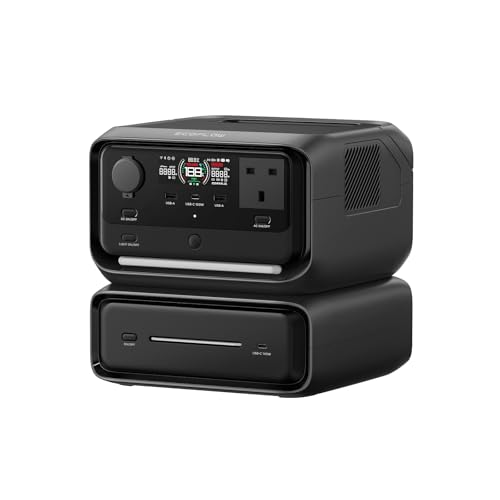
572Wh and a 10ms UPS switchover handle a typical 4–8 hr outage comfortably. Our value pick for most homes.
Out of stock on Amazon UK right now. In stock instead: EcoFlow RIVER 2 Pro, 768Wh, a bigger battery – £499768Wh covers router, lights and phone charging all night. Charges in 70 min. The #1 pick for most UK households.
Prices change frequently on Amazon — tap any Check price button to see today’s price. All available on Amazon UK with Prime delivery.
How long do UK power cuts usually last?
Most planned UK power cuts (scheduled maintenance) last 3–4 hours and are announced in advance by your Distribution Network Operator (DNO). Unplanned outages caused by storms, equipment faults, or vehicle strikes on power infrastructure are harder to predict.
According to Ofgem data, the average UK customer experiences around 35–45 minutes of unplanned interruption per year — but that average hides significant variation. Rural customers in areas like Scotland, Wales, and the South West can experience longer and more frequent outages during winter storms. Urban areas typically restore faster due to network redundancy.
The UK record during recent winters has been multi-day outages for isolated rural properties after severe storms. If you live in a rural area, planning for a 24-hour outage rather than a 4-hour one is a sensible baseline.
Who to call in a UK power cut
105 is the free national power cut helpline, available 24/7 from any UK phone (mobile or landline). It routes you to your local Distribution Network Operator. Use it to:
- Report an outage
- Get an estimated restoration time
- Report downed power lines or dangerous electrical situations
- Register as a vulnerable customer (Priority Services Register)
Do not call your energy supplier (e.g. British Gas, Octopus, EDF) for a power cut — they manage billing, not the physical network. The DNOs are the organisations that own and maintain the cables and substations.
The main UK DNOs by region: Northern Powergrid (North East/Yorkshire), Electricity North West, SP Energy Networks (Scotland/Merseyside), Scottish and Southern Electricity Networks (South East/South Central/Scotland), National Grid Electricity Distribution (Midlands/South West/Wales).
Priority Services Register: are you eligible?
The Priority Services Register (PSR) is a free service offered by all UK energy suppliers and DNOs. It provides additional support during power cuts and emergencies. You may be eligible if you or someone in your household:
- Is of pensionable age
- Is disabled or has a long-term medical condition
- Has a hearing or visual impairment
- Has a mental health condition
- Has young children (under 5)
- Uses medical equipment that requires electricity (e.g. oxygen concentrators, dialysis machines)
PSR customers get priority contact during outages, welfare checks in extended outages, and in some cases, hotel or alternative accommodation support. Register with both your energy supplier and your DNO — they operate separate registers. Call 105 or visit your DNO's website to register.
Power cuts in winter: extra considerations
A summer power cut is inconvenient. A winter power cut — especially for elderly or vulnerable residents — can be dangerous. A few additional steps worth taking between October and March:
- Keep your power station fully charged at all times from October onwards, not just when storms are forecast. Weather events can develop quickly.
- Have a plan for heating. Electric central heating, electric boilers, and heat pumps all stop working in a power cut. Even gas boilers require electricity to run the pump and controls. A portable gas heater (used in a well-ventilated room) or extra blankets and sleeping bags are the practical options.
- Check on neighbours. Cold-related illness in elderly residents can develop within a few hours. A knock on the door costs nothing.
- Know your gas boiler's pilot relight procedure. Some older boilers need manual relighting after power is restored. Keep the manual or find it online before you need it.
Frequently asked questions
PCRRelated guides
- Best battery backup for your wifi router — keep broadband on through an outage
- Keep Wi-Fi running in a power cut
- Can a power station run a fridge?
- Power station sizing: Wh vs watts explained
Some links on this page are affiliate links. This means we may earn a commission if you buy through them, at no extra cost to you.