Jackery Explorer 2000 v2 vs EcoFlow DELTA 3 Max Plus
Two flagship 2kWh power stations with near-identical batteries and completely different ideas about what home backup means. One is the most liveable; the other, the most capable. Here’s which philosophy fits your house.
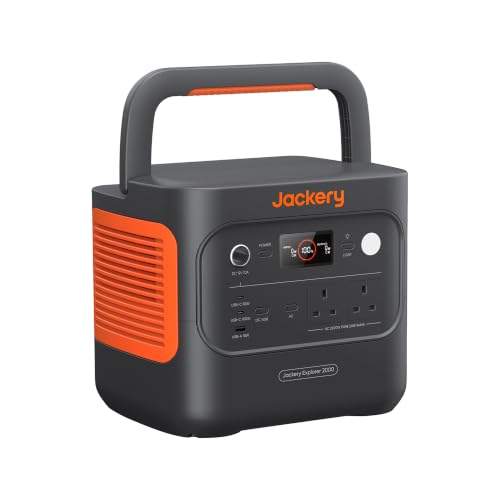
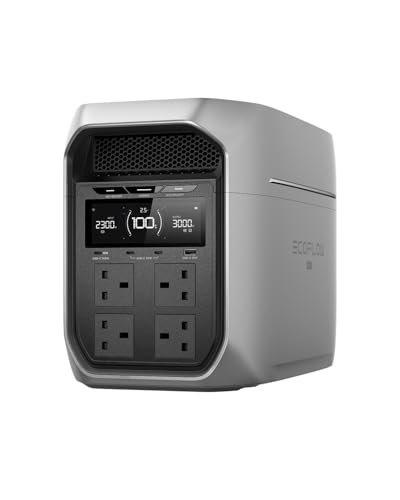
Head to head
| Explorer 2000 v2 | DELTA 3 Max Plus | |
|---|---|---|
| Capacity | 2,042Wh | 2,048Wh |
| Continuous output | 2,200W | 3,000W |
| Surge | 4,400W | 6,000W |
| Fast recharge | 0–80% in 52 min | 0–80% in 47 min |
| UPS switchover | Certified 20ms | Yes (X-Boost 3.0 platform) |
| Expansion | None | Extra batteries to 10kWh |
| Weight & noise | Lightest 2kWh class, whisper-quiet | Heavier; more fan under load |
| Battery | LiFePO4 | LiFePO4 |
Identical batteries, different philosophies
Six watt-hours separate their capacities — effectively identical. Everything else is a fork in the road. Jackery built the most liveable 2kWh unit: lightest in class, quietest in class, one-person portable, with a certified 20ms UPS for the boiler-fridge-router essentials. EcoFlow built the most capable: 3,000W runs loads the Jackery refuses (kettle and microwave together, serious power tools), and the extra-battery ecosystem means today’s purchase can become a 10kWh multi-day system later.
For the standard UK home-backup brief — heating, food, broadband, light through a storm night (the full maths in our home backup guide) — both do the job with identical endurance, because endurance is capacity and their capacity is the same. The EcoFlow’s extra 800W only earns its price premium if you’ll actually use it.
Frequently asked questions
Which should I buy: Jackery 2000 v2 or EcoFlow DELTA 3 Max Plus?
For most UK homes: the Jackery — same capacity, meaningfully cheaper, lighter, quieter, and its 2,200W covers every realistic essential-load combination. Choose the EcoFlow if you want 3,000W for heavy simultaneous loads or plan to expand toward multi-day whole-home backup with extra batteries.
Do they run a house's essentials for the same time?
Yes — runtime is set by capacity and theirs is identical (2,042Wh vs 2,048Wh). Boiler + fridge + router + lights is roughly 7–9 hours on either; fridge and router alone, a day-plus.
Is the EcoFlow's 10kWh expansion worth planning for?
If your area sees multi-day outages (rural lines, storm-prone coasts) or you're moving toward solar self-sufficiency, it's the strongest argument for the EcoFlow — no rival at this capacity offers that growth path. For typical minutes-to-hours UK cuts, you'll likely never buy the extra batteries.
Which is better with solar panels?
Both accept solar with built-in MPPT and recover a day's essential usage from a 400W array in decent UK sun. The EcoFlow's platform supports higher total input when expanded; for a single unit with a portable panel, they're practically equivalent.
Related guides
- UK power cut checklist — before, during and after an outage
- Battery backup for your wifi router · Can a power station run a fridge?
- Best portable power stations UK · When power stations go on sale
Prices change frequently on Amazon — tap any Check price button to see today’s price. Some links are affiliate links; we may earn a commission at no extra cost to you.